Friday, September 30, 2016

Exercises for Helping with Radiculitis Pain

Radiculopathy can lead to debilitating pain that extends throughout the body, which is then referred to as radiculitis. Though radiculopathy and radiculitis might seem like the same thing, radiculitis treatment options will be different as radiculitis is pain that is radiating through the body rather than just one location.

Radiculitis treatment options will usually involve conventional methods, such as hot/cold therapy, over-the-counter medication and physical therapy. By completing physical therapy, you are strengthening muscles around the affected area, which can provide some pain relief.

If you are suffering from back pain, radiculitis treatment options might include some type of exercises to help strengthen your back. Before completing any of these exercises, be sure to consult with your doctor to find out if you can complete them safely. If any of these exercises are painful to complete, do not continue performing them and seek help from a professional.

Upper Back Extension


Back extensions can help alleviate some of the pressure, pain and discomfort you’re feeling. You can complete back extensions at home or your local gym. Start by lying on your stomach. Then, interlock your fingers and clasp your hands behind your lower back. Lift your head and chest slightly from the ground and hold this position for five seconds. Repeat this 8 to 10 times.

Back Stretch


Begin by lying on the floor on your back; it’s best to use a mat or towel on the ground. Bend your knees and put your feet firmly on the ground. Place your hands on the back of your thighs. Bring your needs toward your chest and try to bring you upper body forward. It should feel like you are hugging yourself into a ball while on the ground. Hold this for a few seconds and then stretch your body back out. Repeat this about 10 times.

Core Strengthening


There are various exercises that can be completed to strengthen your core. A stronger core can help support the back, but remember that you do not want to complete exercises that exacerbate your pain.

First, try a bridge. Begin by lying flat on your back. Bend your knees and place your feet flat on the ground. Raise your hips off the floor until they are aligned with your knees and shoulders and hold this pose for 3 deep breaths. Repeat these steps 5 more times.

Another low impact option is water leg lifts. Step into the shallow end of a pool and stand with your back against the pool wall. Keeping one leg on the ground, begin lifting your other leg up in a straight line. This should create a 90-degree angle. Slowly lower your leg. Do the same with the other leg. This is considered one repetition; complete a total of 10 repetitions.


Low Impact Aerobic Exercises


Aerobic exercise can increase blood flow and nutrients, which aids in the healing process. Walking or riding a stationary bike can provide conditioning, without causing pain or discomfort. Some people suffering from back pain might also choose swimming or other water exercises for pain relief and to strengthen their muscles.

When exercise and conventional treatment methods are no longer working, surgery might be an option for radiculitis treatment. Debridement, which is the removal or torn, inflamed, or damaged spinal tissue can provide relief from the pain you’re experiencing due to radiculitis.

If you are considering treatment options for radiculitis, learn about the Bonati Spine Institute on Vitals.

Wednesday, September 14, 2016

Treatment Options for Radiculitis

Any type of spinal condition can lead to pain. However, when the condition begins to impede on your day-to-day life, it is important to determine not only what is wrong, but also what treatment options are available.

Radiculitis is caused by the inflammation of the nerves at the root, where it connects to the spinal column.  The pain that radiates from the compressed nerves through the body is what is referred to as radiculitis. This pain can eventually become debilitating. Radiculitis can occur anywhere on the spine, but it most often affects the lower back and the neck.

What Causes Radiculitis?

Radicular pain may occur when nucleus pulposus, the chemical in the center of the spinal disc, comes through the disc and touches a nerve. When this pain begins to radiate throughout the area affected or other body parts, this is radiculitis. 

Cervical radiculitis – a nerve root in the lower spinal segment is impacted
Lumbar radiculitis – a nerve root in the upper segment is impacted

If a cervical nerve root is impacted, a person is much more likely to experience pain in the neck, shoulders and arms. Lumbar radiculitis is much more likely to cause pain in the lower back, buttocks and upper legs. 

Treatment Options

After being diagnosed with radiculitis or another spinal condition causing radiculitis, treatment begins with something conservative. For example, a physician may suggest over-the-counter or prescription medications and physical therapy. Heat and/or cold therapy may also be used to reduce symptoms.

Though some may find relief in these conservative treatments, they are short-lived. Some patients might find that the radicular pain subsides for a few weeks but ultimately returns. Though a person may opt to continue the course of conservative treatment, some may wish to explore other options, such as surgical intervention. 

Laser debridement is one of the treatment options available at The Bonati Spine Institute for radiculitis. The procedure involves the removal of torn, inflamed or damaged dead tissue. By doing this, the impacted nerves are properly treated in order to reduce pain.

This type of intervention may be necessary in order to prevent muscle weakness. Unfortunately, radiculitis may go for only certain muscle groups or one side of the body. As a result, that side may become more weakened as the patient favors the muscles that are stronger.
If you believe that you may be suffering from radiculitis, schedule an appointment with your physician today. A complete medical evaluation and imaging tests may be necessary to determine the precise cause of your radicular pain. Upon receiving a diagnosis, your physician can discuss the treatment options available.

Friday, September 9, 2016

American Medicine Today

Thursday, July 28, 2016

Sciatica Treatments for Pain Relief and Mobility

sciatica pain illustration

If you’ve had sciatica, you know the pain — pangs that begin in the nerve roots and move through the nerve, down the hamstrings and into the foot. The leg agony is often more severe than the back pain — some have compared it to the nerve pain you feel when you have a toothache. It is important to realize that sciatica is a symptom of an underlying condition, usually a herniated disc. While there are some forms of sciatica treatment that relieve the pain, the underlying condition will need to be addressed to achieve lasting pain relief.

Below are some methods used for sciatica treatment that can relieve pain and increase your mobility.

Yoga and Massage

Gentle yoga stretches can strengthen muscles and improve flexibility so that you don’t develop a poor posture and aggravate the sciatica. Trigger point massage can also help relieve pain. When the piriformis muscle under the sciatic nerve gets tight it can pinch the sciatic nerve. Pressure applied to this area as well as the lower back and glutes relieves the tightness and pinching to prove relief from the pain.

Muscle Relaxers and Pain Relievers

Nonsteroidal anti-inflammatories, either over the counter or prescription for sciatica treatment can ease the pain caused by tight muscles. In addition, since painful muscle spasm often accompany a herniated disc, your doctor may prescribe a muscle relaxer or pain reliever.

Epidural Steroid Injections

If your pain doesn’t get better within a month, and other sciatica treatment hasn’t helped, you may get relief from an epidural steroid injection. The goal of the injection is to relieve the inflammation that is causing the pain. However, due to concerns about side effects, including bone density loss, these injections are limited to no more than three a year.

Exercise and Physical Therapy

Even though it may be the last thing you want to do, light exercise or physical therapy is well-known sciatica treatment. Movement increases the blood flow, aiding in getting rid of the chemicals that cause inflammation. A light 15-20 minute walk, swimming or water aerobics are all forms of exercise that keep you moving without excess stress on you sciatic nerve.

Surgery

If you’ve tried several sciatica treatment methods to relieve your pain and still have symptoms after 4-6 weeks, you and your doctor may consider surgery. Patients who have surgery for a herniated disk usually have less pain and disability than patients who do not.


If you'd like to know more about sciatica surgery as a treatment method, The Bonati Spine Institute is here to help you. Contact us to discuss your sciatic nerve pain.

Thursday, July 21, 2016

Surgery for Cervical Spinal Stenosis

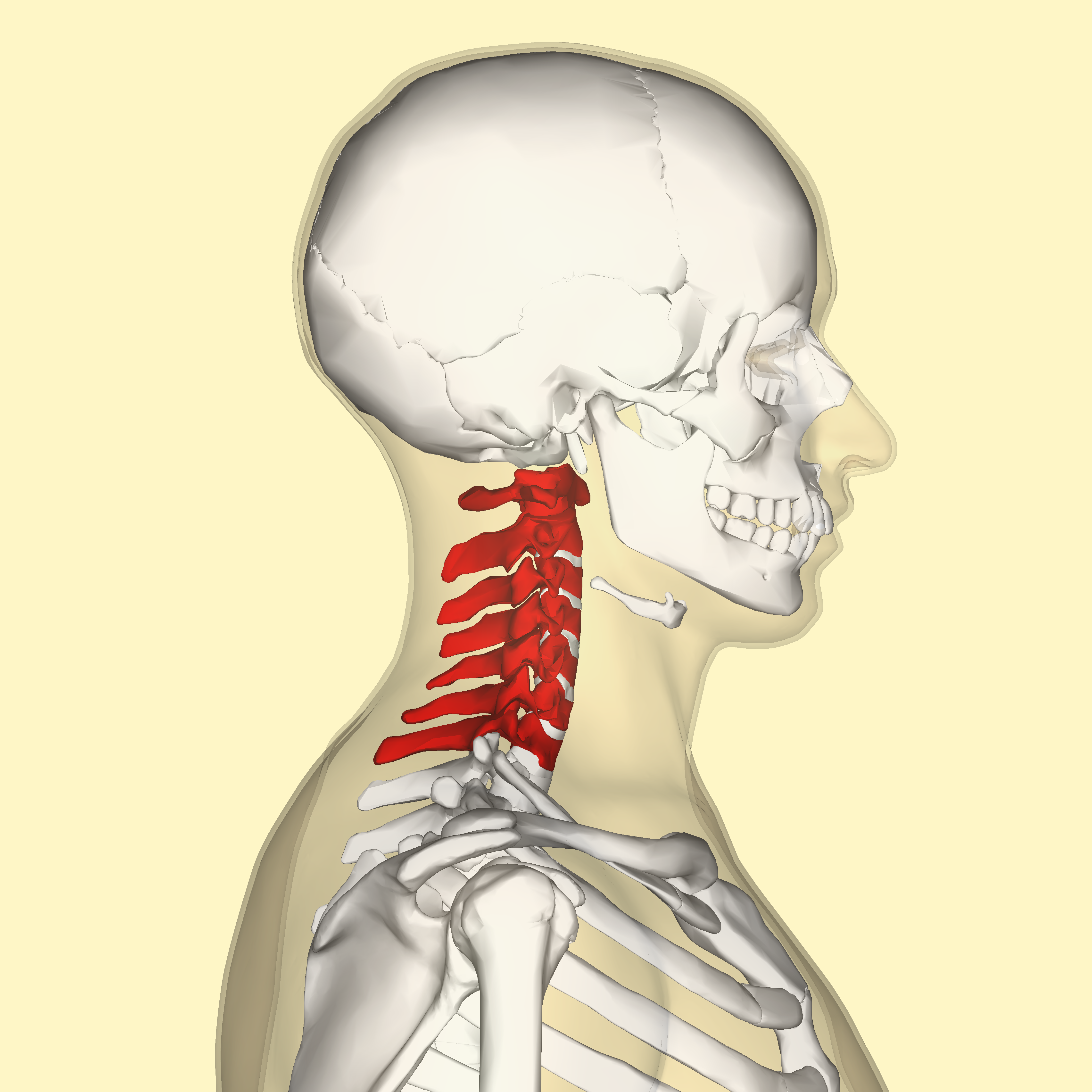
cervical spine illustration
By Anatomography [CC BY-SA 2.1 jp ], via Wikimedia Commons

Sadly, as a natural part of the aging process, many people develop degenerative changes in the joints that create a narrowing of the spinal canal. This narrowing can lead to a compression of the nerves in the spinal cord that compromises the coordination and function of the extremities. This leads to the slowly progressive condition called cervical spinal stenosis. If you have this condition, you may be wondering if there is a surgery for cervical spinal stenosis available.

Cervical Spinal Stenosis Symptoms

You might be suffering from cervical spinal stenosis if you have any of the following symptoms:

  • Stiffness, pain, numbness or weakness in the neck, shoulders, arms or hands
  • Slow loss of fine motor skills such as buttoning a shirt or handwriting a note
  • Sporadic shooting pains in the arms
  • Arm pain otherwise known as cervical radiculopathy

Usually it is the arm pain that incents someone with cervical spinal stenosis to get medical treatment. Once this occurs, the cervical spinal stenosis is uncovered in the course of the physical exam and medical history.

Treatment for Cervical Spinal Stenosis

NSAIDS, activity modification, and exercise for cervical spinal stenosis can help relieve arm pain. However, although nonsurgical pain management can be effective in the short term, the only long-term solution to the pain is surgical depression of the spinal canal.

This is generally a progressive condition that develops slowly over time. The symptoms may not present for years, and then it seems like difficulties with coordination suddenly begin.

Cervical Spinal Stenosis Surgery

Surgery for cervical spinal stenosis may or may not improve the symptoms. The procedure has two main goals: slow or stop the progressive nature of the stenosis, and stabilize the neurological condition of the patient.

It is not unusual for multiple levels to need decompression, so the cervical spinal stenosis surgery can be more complicated than the surgery for a cervical herniated disc or a cervical foraminal stenosis.

Discover more about treatment options for cervical spinal stenosis from The Bonati Spine Institute.

Tuesday, May 17, 2016

Bonati Spine Institute Patient Thomas is Out at the Ball Game